Amazon, Costco defend against consolidated tariff refund lawsuits
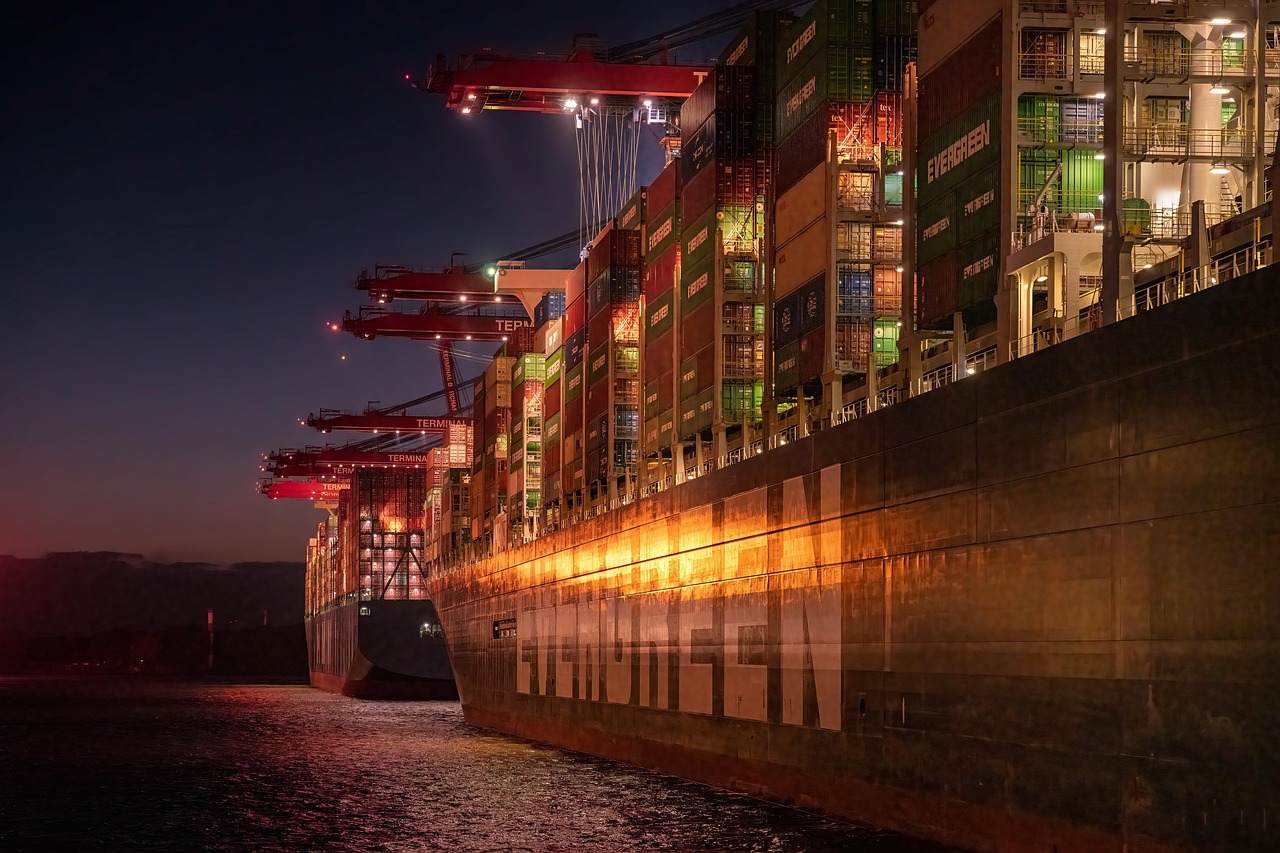
Major U.S. retailers and e-commerce platforms face tariff lawsuits, with legal teams arguing no industry-wide pricing coordination exists among defendants.
Amazon, Costco, and dozens of other retail and e-commerce companies are battling consolidated tariff refund suits in U.S. courts. In court filings, their legal teams contend there is no "industry-wide pricing decision" binding the defendants together. This argument forms the core defense against allegations of coordinated pricing and collective passing of tariff costs to consumers.
Rising U.S. customs tariffs—particularly on goods imported from China—have directly pressured e-commerce platforms and traditional retailers' margins and pricing strategies. The extent to which these tariff costs were absorbed or passed on to consumers has become a focal point of litigation over the past few years. Large defendants are now attempting to establish that their individual pricing policies operate independently and stem from no shared agreement.
For sellers and e-commerce operators, this legal battle signals mounting tariff pressure on already-thin margins. The prolonged uncertainty and cost of litigation may force smaller and medium-sized sellers to renegotiate supplier agreements and carefully recalibrate pricing strategies. For import-dependent merchants, tariff costs now represent a structural constraint on both profitability and product selection.