Amazon to rely far less on USPS and UPS as it expands own delivery network
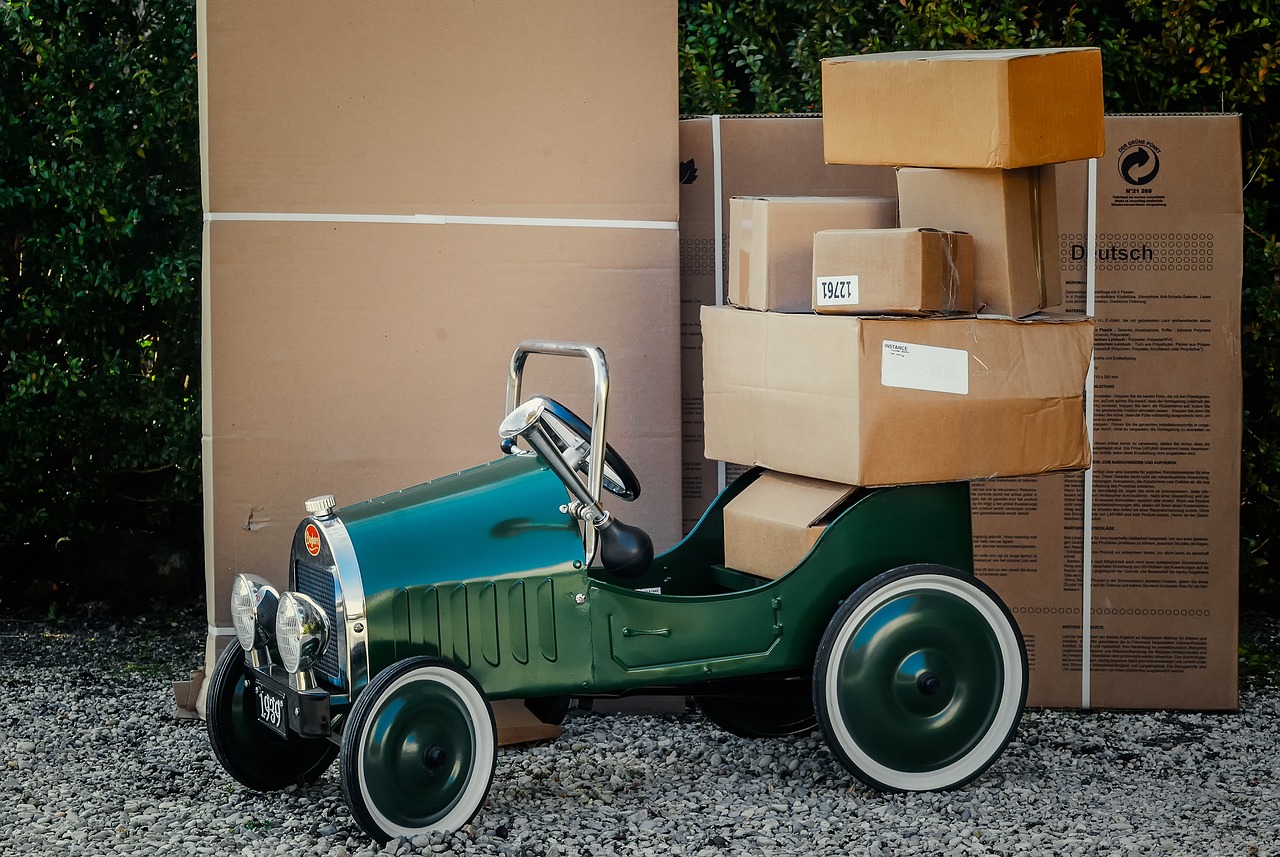
Amazon projects delivering over 86% of its own packages next year, marking a significant shift toward independent logistics control.
Amazon is substantially reducing its reliance on traditional carriers like USPS and UPS, forecasting that it will handle more than 86% of its own package deliveries in the coming year. This projection reflects the maturation of Amazon's proprietary logistics infrastructure, built over more than a decade of investment in delivery fleets, distribution hubs, and last-mile networks.
The shift underscores a fundamental restructuring of US e-commerce logistics. Amazon has invested billions into proprietary infrastructure—from its owned delivery vehicles and regional sorting facilities to its expanding network of delivery stations and independent contractor partnerships. This vertical integration strategy grants Amazon operational control, faster delivery windows, and cost efficiency that third-party carriers cannot easily replicate. Traditional carriers like USPS and UPS face sustained customer loss, a trend mirrored internationally as Amazon and other large e-commerce players build competing infrastructure in Europe and Asia.
For e-commerce sellers, this development presents a mixed picture. Vendors using FBA (Fulfillment by Amazon) will benefit from faster delivery windows and improved logistics, potentially supporting competitive positioning. However, Amazon's reduced dependence on third-party carriers may reshape fulfillment fee structures and service options. Independent sellers and smaller merchants may face narrower logistics alternatives, forcing difficult decisions about fulfillment strategy. Sector-wide, Amazon's expanded delivery capacity introduces pricing pressure on cargo and last-mile services, affecting industry margins and competition intensity.