Rising US tariffs strain import-dependent e-commerce and retail sectors
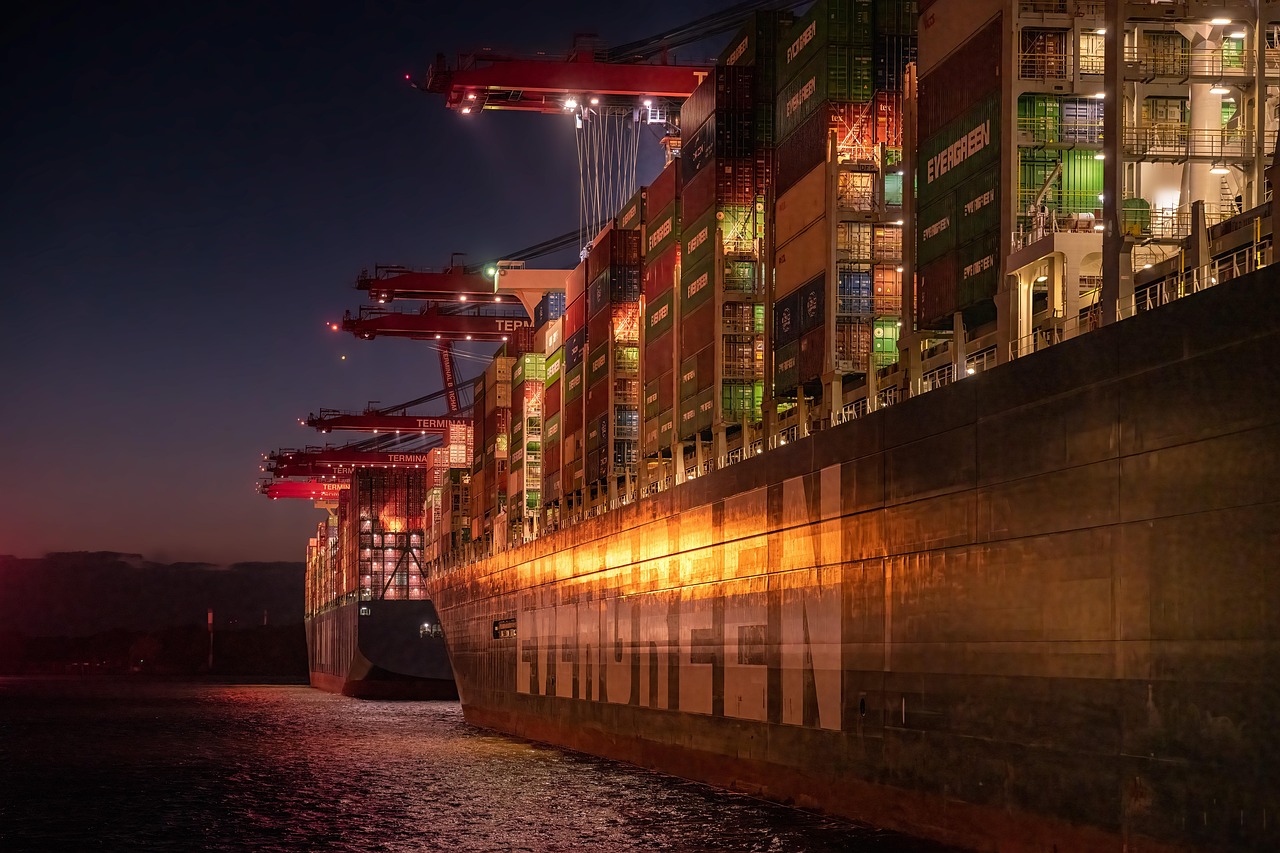
According to the JPMorgan Chase Institute, corporate duty payments to the federal government have remained significantly above historical averages since early 2025.
Escalating US tariff regimes are intensifying cost pressures across e-commerce and retail industries. New findings from the JPMorgan Chase Institute document that companies' federal tariff payments have climbed well beyond pre-2025 baseline levels. For small and mid-sized e-commerce sellers relying on imported merchandise—particularly through marketplaces—this represents a mounting squeeze on profitability and operational margins.
The tariff tightening disproportionately affects sellers sourcing goods from Asia and other regions. Rising customs duties directly inflate product acquisition costs, forcing sellers to navigate a difficult choice: absorb margin compression or pass costs to consumers. Cross-border sales and international shipments also face heightened bureaucratic friction and documentation complexity.
E-commerce operators are exploring supply chain restructuring, shifting to domestic sourcing, and revisiting pricing strategies. Marketplace platforms are simultaneously strengthening customs advisory services and logistics partnerships to support seller resilience. Nevertheless, near-term margin pressure and consumer price sensitivity remain acute headwinds for many e-commerce businesses operating under the current tariff environment.